Vision was designed from the philosophy that a cabinet composition should be part of the total room architecture. The basis of Vision is a single cube without handles, completely mitred, and in different depths, heights and widths. Fronts close using a push-touch system. A single form yields endless variations of volume, colour and line composition. The possibilities for compositions are unlimited; from a three-dimensional relief to a graphic grid of line and flat planes, from a series of sideboards to an architectonic landscape of volumes, from wall-mounted object to wall component.
Vision was designed from the philosophy that a cabinet composition should be part of the total room architecture. The basis of Vision is a single cube without handles, completely mitred, and in different depths, heights and widths. Fronts close using a push-touch system. A single form yields endless variations of volume, colour and line composition. The possibilities for compositions are unlimited; from a three-dimensional relief to a graphic grid of line and flat planes, from a series of sideboards to an architectonic landscape of volumes, from wall-mounted object to wall component.
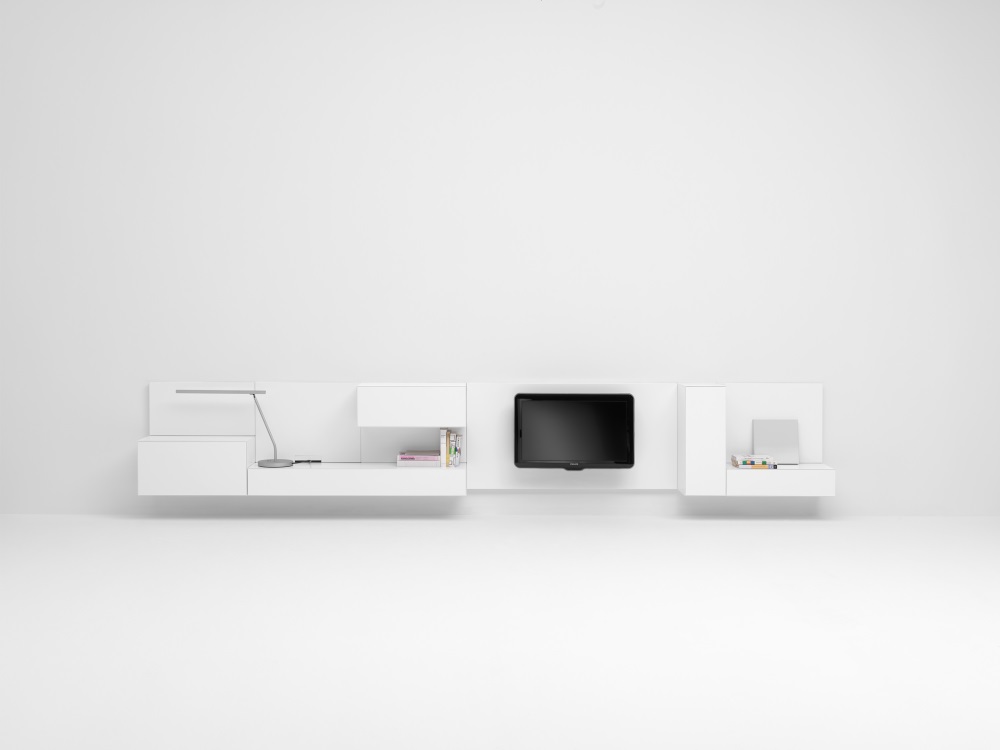 Image 1 of 22
 Image 2 of 22
 Image 3 of 22
 Image 4 of 22
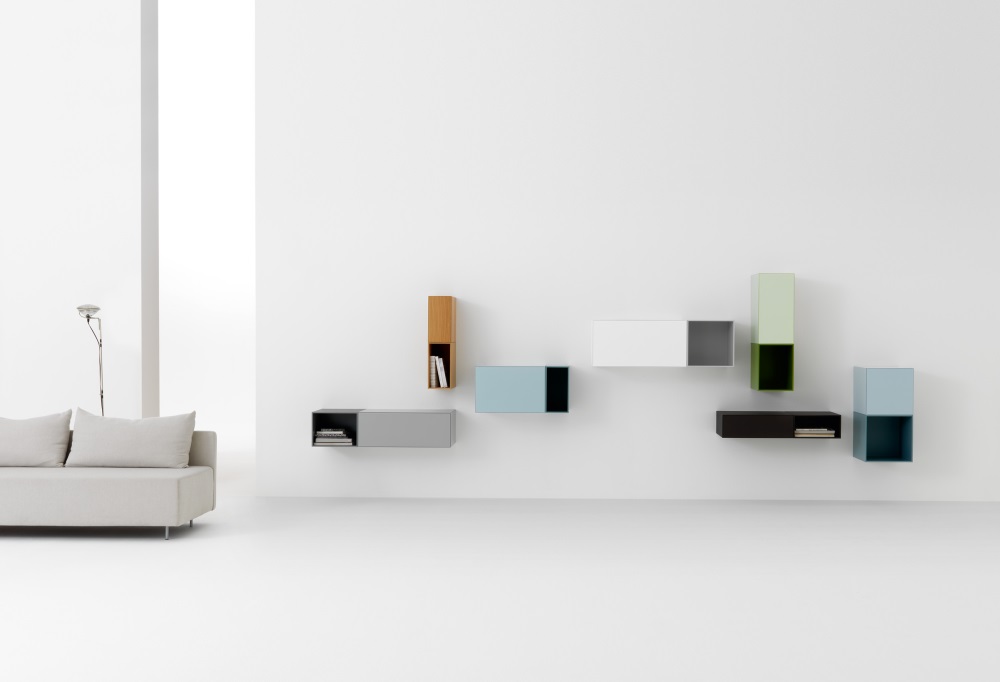 Image 5 of 22
 Image 6 of 22
 Image 7 of 22
 Image 8 of 22
 Image 9 of 22
 Image 10 of 22
 Image 11 of 22
 Image 12 of 22
 Image 13 of 22
 Image 14 of 22
 Image 15 of 22
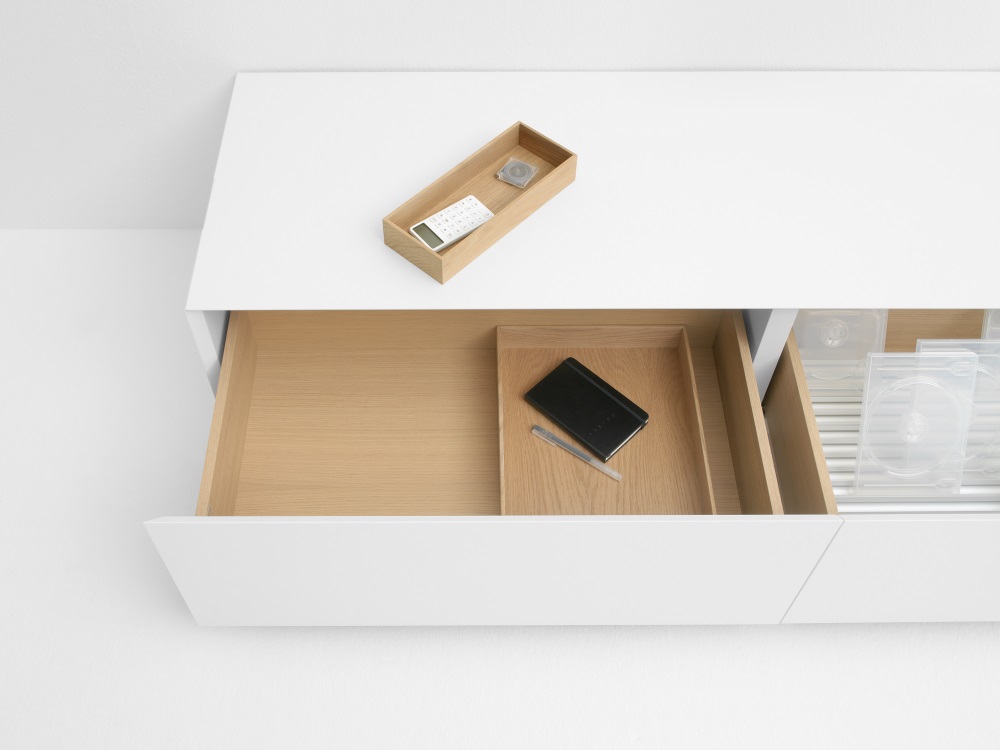 Image 16 of 22
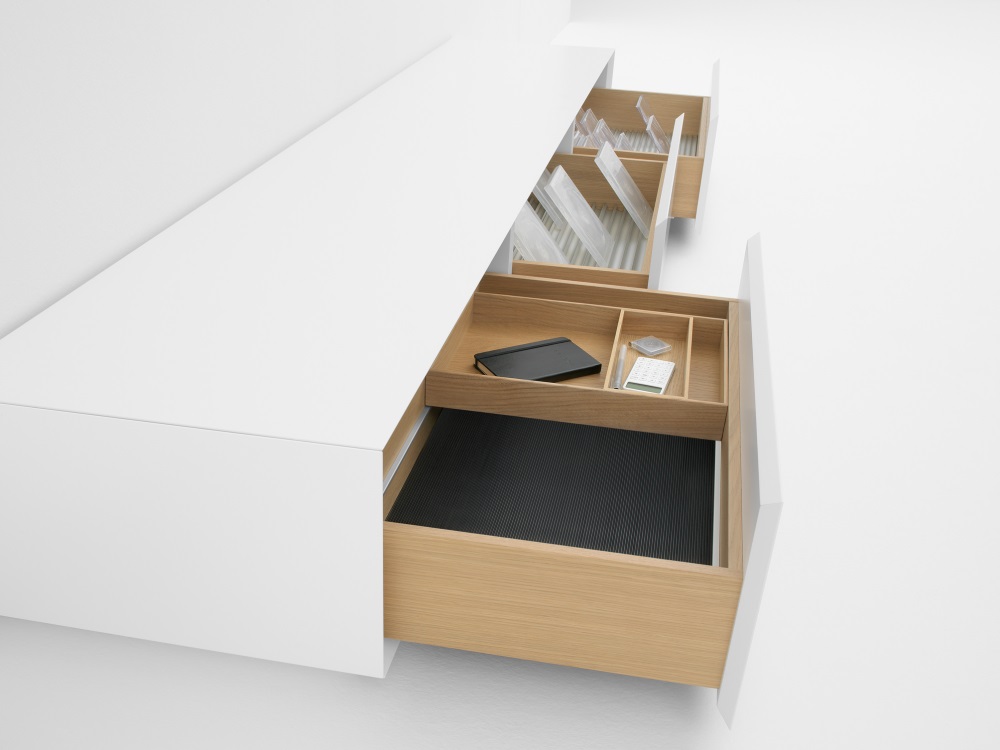 Image 17 of 22
 Image 18 of 22
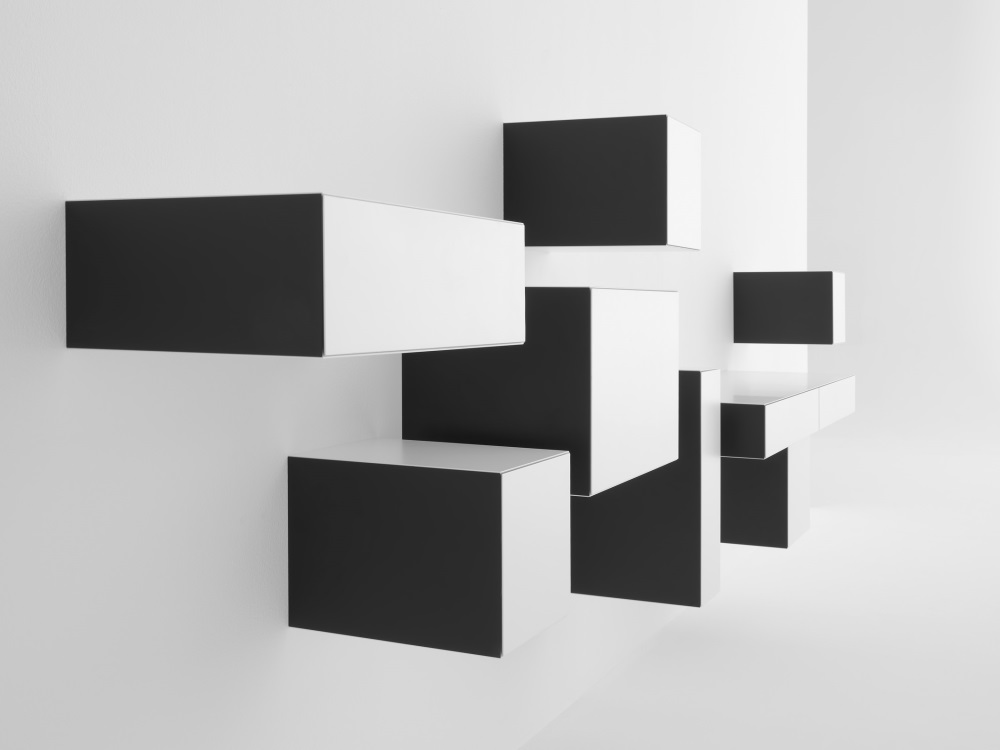 Image 19 of 22
 Image 20 of 22
 Image 21 of 22
 Image 22 of 22